
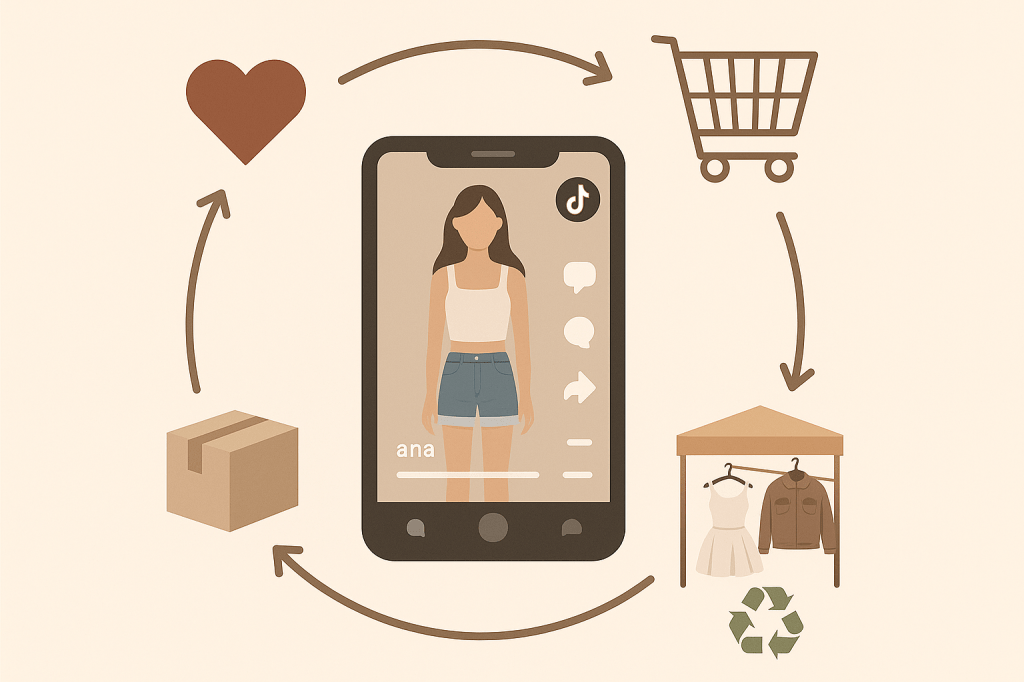
Scroll. Like. Add to cart. Repeat.
This cycle most TikTok users know all too well, one that’s made it easier than ever to discover, want, and buy new clothes with a touch of your fingertips. All the must-have dupes and basic essentials, fashion on TikTok moves fast. But with that speed comes an important question. What does this mean for the future of sustainable fashion and how we consume clothing?
The Appeal of TikTok Trends
TikTok has essentially become an accelerator for fast fashion. Brands and companies monitor what’s going viral and will respond in record time to jump on the newest trends. In some cases, they even begin to recreate trending pieces within days. The overall pressure to stay relevant, both for consumers and companies, means clothes are being produced and discarded at an unsustainable rate.
From a sustainability standpoint, this is concerning. More trends mean more purchases. And more purchases often mean more waste, lower-quality garments, and unethical labor practices. The short life cycle of TikTok fashion contributes to an endless loop of buying, wearing once, maybe twice if you’re feeling it, and then tossing it away.
TikTok has essentially become an accelerator for fast fashion. Brands monitor what’s going viral and respond in record time. In some cases, they even recreate trending pieces within days. The pressure to stay relevant—both for consumers and companies—means clothes are being produced (and discarded) at an unsustainable rate.
From a sustainability standpoint, this is concerning. More trends mean more purchases, which often means more waste, lower-quality garments, and unethical labor practices. The short life cycle of TikTok fashion contributes to an endless loop of buying, wearing once (maybe twice), and tossing.
Fast Fashion Core
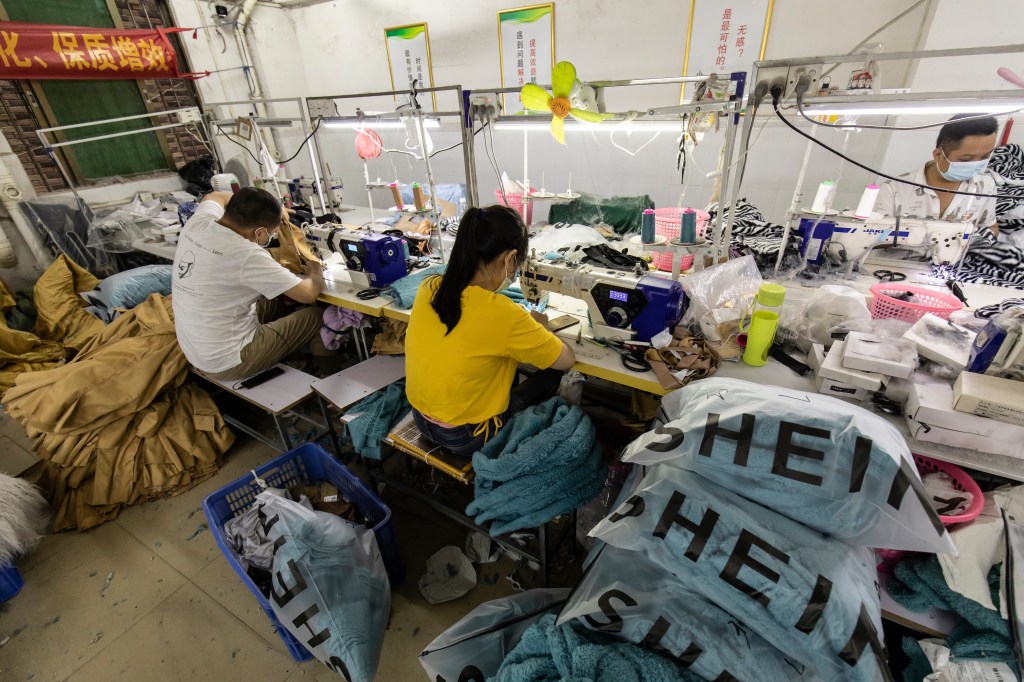
One of the most notable examples of this fashion cycle is Shein. This fast fashion company thrives on the immediacy of TikTok trends, often producing thousands of new styles daily. Shein’s business model is built to respond instantly to these viral trends, whether it’s a microtrend or a specific top worn in a trending video. With its low prices and constant roll out of new arrivals, the brand encourages impulsive buying, making it easy for users to treat clothing as something easily accessible and disposable. While this approach satisfies the demand for companies’ income, it also amplifies the environmental and ethical issues at the heart of fast fashion. With excessive textile waste, questionable labor practices, and a culture of overconsumption driven by virality instead of value.
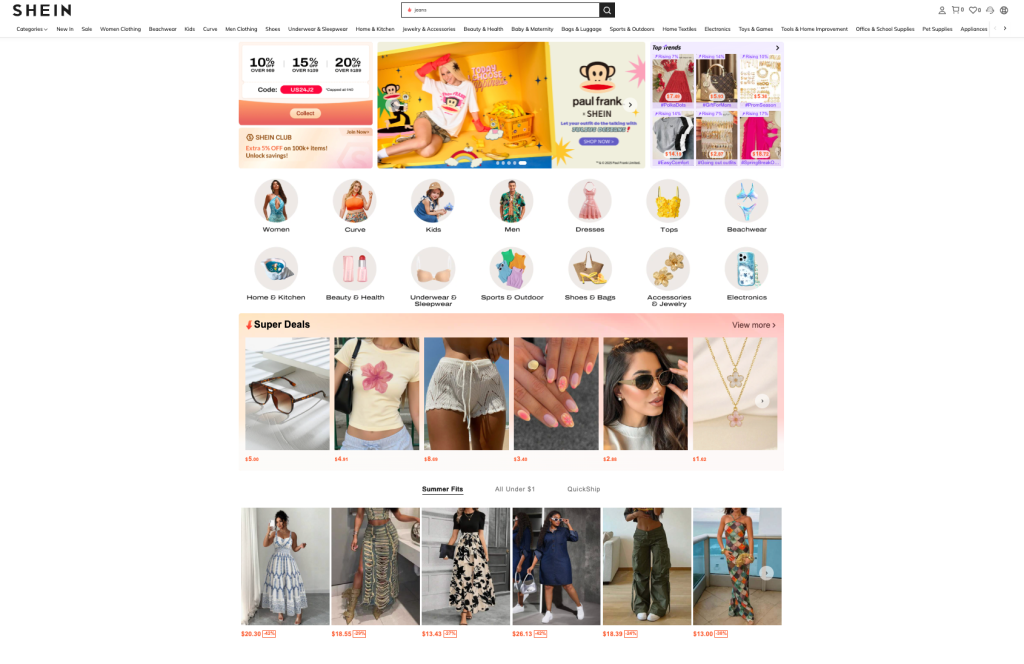
It’s not just a fashion issue, it’s an environmental and ethical one.
The Rise of TikTok Shop
Adding fuel to the fire is TikTok Shop, an in-app marketplace that makes discovering a product to purchasing it even faster. TikTok Shop was launched in 2023. The shop aimed to offer,
- In-Feed Video and LIVE Shopping
- Product Showcasing
- Accessible Shop Tab
- Affiliate Program for creators/businesses
- Shop Ads
By the end of 2023, TikTok Shop had onboarded over 500,000 U.S. sellers, more than doubling its seller base within the year. The platform’s integration of entertainment and shopping has particularly resonated with Gen Z consumers, who are drawn to the convenience and engaging shopping experience . Now, users do not have to leave the app to be influenced to buy the “perfect dupe” or viral top. As you scroll, you are going past ads that are chosen for you based on your algorithm. Content creators can now tag products within their viral videos, so after watching a haul, unboxing video, or “outfit of the day,” you can easily access the product in the video with just a click. With limited time discounts and deals that create an urgency to buy a product without thinking, the TikTok shop creates a shopping experience where you do not think about your purchase, as you just click the checkout button. With the collaboration of Shein and other fast fashion companies, Temu, now accessible on the TikTok Shop feed, it just feeds into the world of consumerism.

The Consumer Mindset Shift
As a Public Relations student, I think a lot about how consumer communication affects behavior. TikTok is powerful because it makes you feel like you’re part of something, a trend, a moment, a community. But this influence also creates a challenge of how to balance that connection and creativity with conscious consumption?
Thankfully, a shift is happening. More creators are using their platforms to talk about intentional fashion. Thrift-flipping, capsule wardrobes, and “no-buy” challenges are gaining traction. The hashtag #sustainablefashion has millions of views. And people are starting to ask questions like:
- Do I really want this, or did I just see it a lot?
- Will I wear this in a month?
- Can I find a more ethical or secondhand option?
These small changes in mindset matter. They’re the first steps toward reshaping the outcome of consumerism. If you would like to hear more about how good sustainability practice is evolving on TikTok, you can go and read my blog, “Thrifted, Trending, and Making a Difference: How TikTok is Powering Goodwill.” In my blog, I talked about, TikTok’s fast-paced fashion trends and how they have given Goodwill a new role in sustainable consumerism, as Gen Z creators make secondhand shopping both trendy and impactful, supporting affordability, reducing waste, and fueling community programs.
What Comes Next
TikTok isn’t going away, and honestly, I hope it doesn’t. It’s a space full of creativity, inspiration, and real people sharing their style. But the way we engage with it can evolve.
The future of sustainable fashion depends on more thoughtful scrolling. On brands choosing transparency over trend-chasing. On creators using their influence to promote mindful choices. And on us, consumers, recognizing that style doesn’t have to mean constant shopping.
Because in the end, fashion should be fun, but it should also be forward-thinking.
Practical Ways to Become a Sustainable Fashion Shopper While Still Engaging with TikTok Trends
1. Follow Creators Who Promote Secondhand Fashion
Look for TikTokers who post #thrifthauls, #thriftflips, or sustainable styling tips. They can inspire creative ways to shop secondhand or rework what you already own, without constantly buying new.
2. Pause Before You Purchase
Ask yourself:
- Do I love this, or do I just see it everywhere?
- Will I wear it often?
- Can I recreate the look with pieces I already own or thrift?
This pause helps you resist impulse buys driven by TikTok.
3. Try “Dupe the Trend” at a Thrift Store
Instead of ordering fast fashion versions of trending pieces, challenge yourself to thrift a similar look. Not only is it more sustainable, but it also makes your style unique.
4. Curate a Capsule Wardrobe
Use TikTok for styling inspiration, not just shopping. Many creators post ways to remix outfits using a few staple pieces. This mindset encourages a thoughtful, long-term style over trend-chasing.
5. Use TikTok Shop Mindfully
If you do shop on TikTok, support small businesses, slow fashion brands, or upcyclers who promote ethical practices and transparency, many creators tag sustainable items too!
6. Donate or Resell, Don’t Dump
When you’re done with an item, donate it (like to Goodwill!) or sell it through platforms like Depop, Mercari, or Poshmark to extend its life and reduce waste.
CITATIONS
Feger, Arielle. “5 Key Stats on Tiktok Shop: Gen Z, off-Price Shopping, and Fast Fashion.” EMARKETER, EMARKETER, 11 Apr. 2024, http://www.emarketer.com/content/5-key-stats-on-tiktok-shop-gen-z-off-price-shopping-fast-fashion.
Maraldo, Katie. “The Age of Tiktok Shop Consumerism.” The Michigan Daily, 23 Feb. 2024, http://www.michigandaily.com/opinion/columns/the-age-of-tiktok-shop-consumerism/.
Steele, Eliza. “How Gen Z and TikTok Created a Consumer Revolution.” Bergmeyer, http://www.bergmeyer.com/trending/how-gen-z-and-tiktok-created-a-consumer-revolution. Accessed 7 May 2025.
 For You Fashion
Leave a comment